How to Choose the Right Granite Countertop Thickness for Your Home
Granite countertops are one of the most durable and visually striking options for kitchens and bathrooms. When homeowners begin selecting granite, color and pattern usually take center stage. But one of the most important design and performance choices comes down to thickness.
Granite slabs typically come in two standard thicknesses: 2 centimeters (about ¾ inch) and 3 centimeters (about 1¼ inches). Each has unique advantages, and choosing the right one can influence how your space looks, functions, and feels.
Why Thickness Matters
Thickness plays a role in more than just durability. It can affect the overall weight, edge profile options, structural requirements, and the feel of your design. A thicker granite slab tends to read as more substantial and traditional, often used in larger kitchens where bold materials anchor the room. Thinner granite, on the other hand, offers a lighter appearance that’s sometimes favored in more modern or compact spaces.
Both options are structurally strong, but thicker slabs tend to be more forgiving when it comes to support. Thinner granite may require additional backing or bracing depending on the layout and use, especially for overhangs on islands or breakfast bars.
The Look of 3-Centimeter Granite
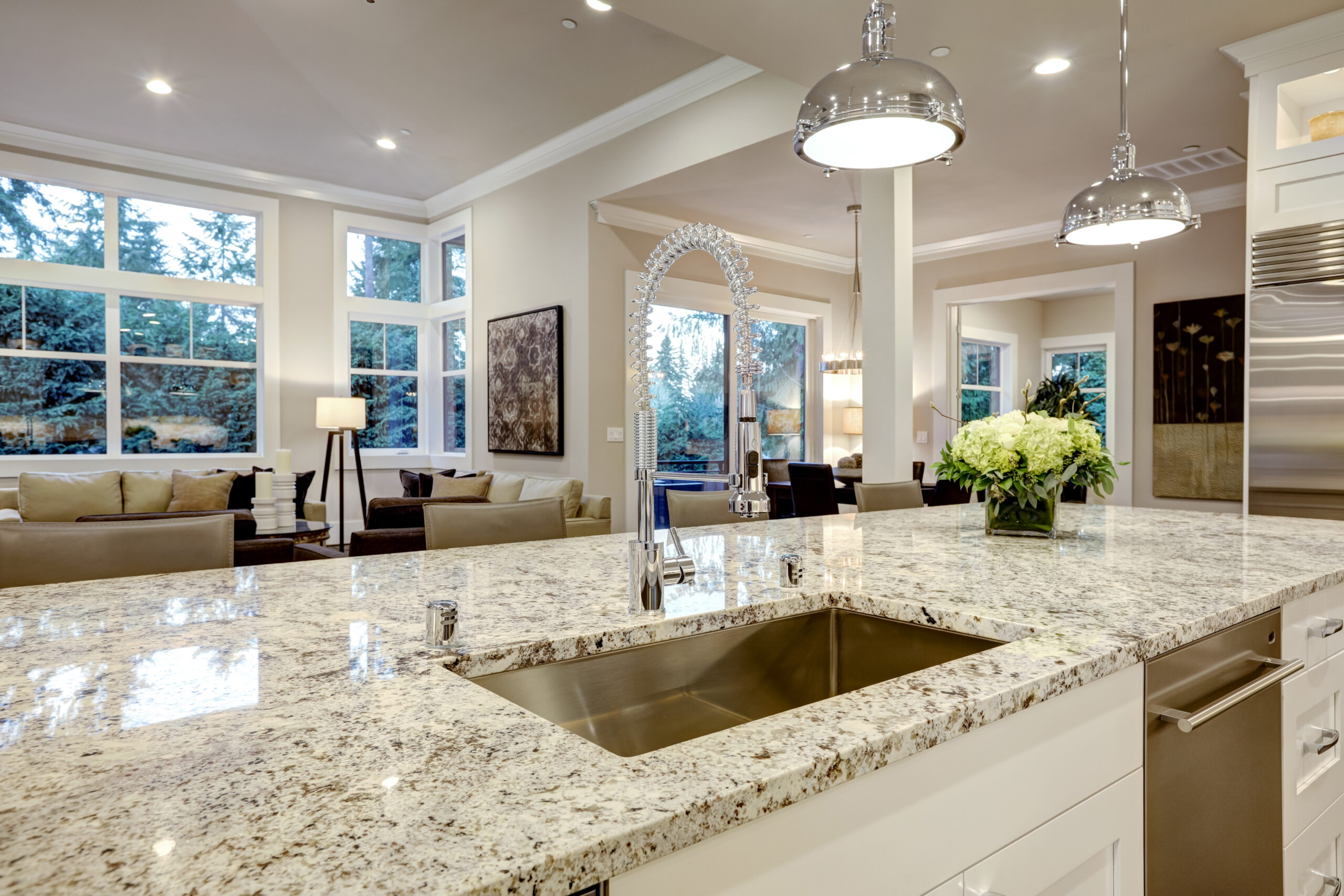
The 3-centimeter slab is the most common choice for residential countertops. Its weight and depth give a sense of permanence and richness, and it doesn’t usually require additional backing for strength. This makes installation simpler in some cases and reduces the need for extra materials.
Visually, thicker granite offers more flexibility for edge treatments. Popular styles like ogee, bullnose, and beveled edges are easier to carve and shape with a 3-centimeter slab, giving homeowners more room to customize. This thickness also looks more integrated in traditional or transitional homes where furniture-style cabinetry and classic design elements are more prominent.
When 2-Centimeter Granite Works Best
The 2-centimeter option is thinner and lighter, which can be an advantage in certain design scenarios. It’s often used in vertical applications like backsplashes or fireplace surrounds, but it can still be used for countertops with proper support. In today’s European kitchens, this thinner slab is more common and contributes to a clean, modern look.
If you’re going for a minimalist kitchen with flat-front cabinetry and subtle details, a 2-centimeter slab can blend into the space without overpowering it. Just keep in mind that installation may require a plywood subtop and edge build-up to achieve a thicker look or meet stability requirements. This is one of the many reasons that it’s important to work with an experienced fabricator, since they can advise on when and where reinforcement is necessary.
Edge Profiles and Visual Weight
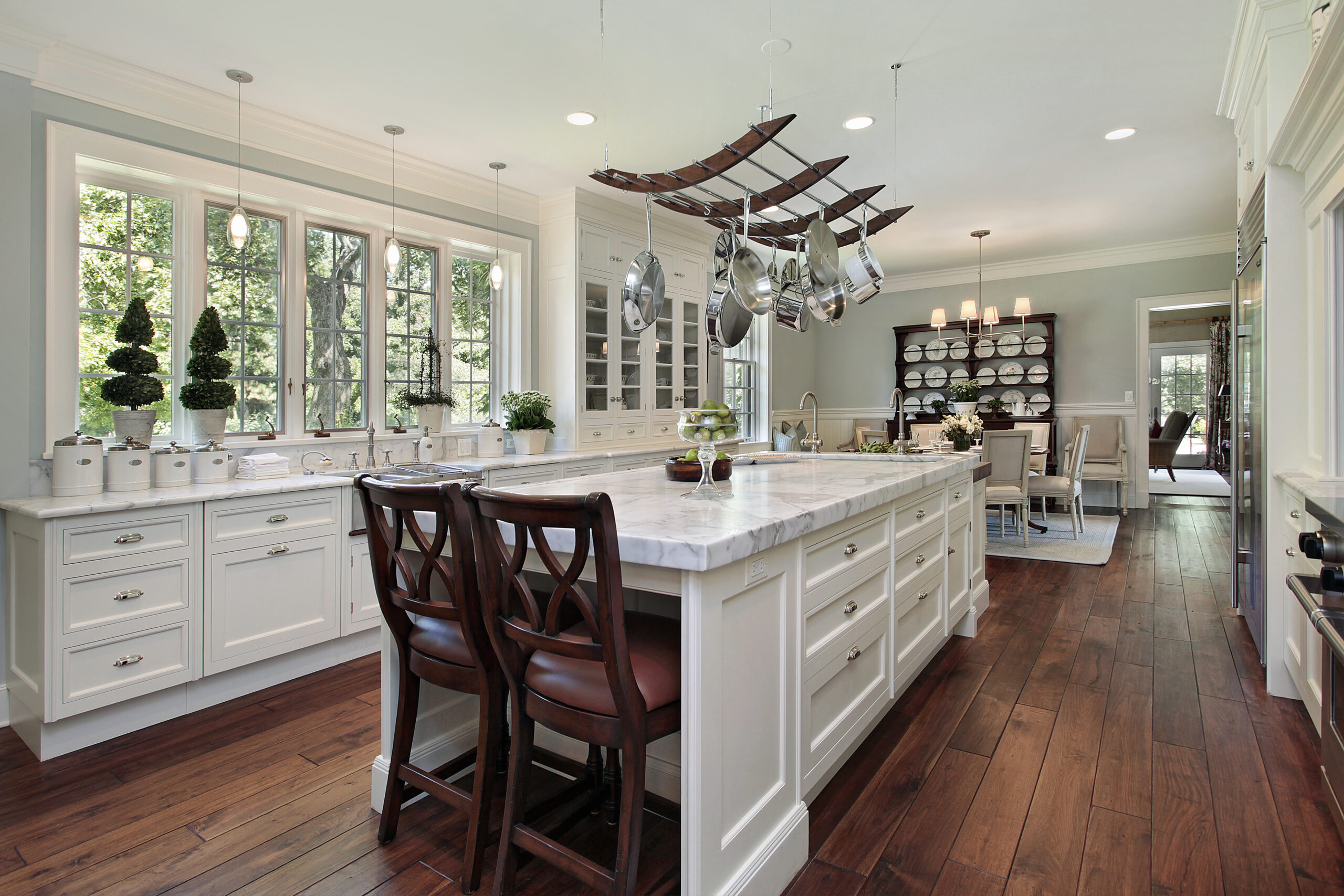
Thickness influences how your countertop edges are shaped and how they appear from across the room. A thinner slab with a square edge offers a modern, streamlined appearance, especially when paired with slab cabinets and hidden hardware. A thicker slab allows for more decorative shaping, which can be a statement feature in more detailed kitchen designs.
Some homeowners choose a mitered edge to create the illusion of a thicker slab. This involves cutting two pieces of granite at a 45-degree angle and joining them to form a seamless-looking thick edge. It’s a clever solution when you want a bold look without the full weight of a 3-centimeter slab.
Weight and Cabinet Considerations
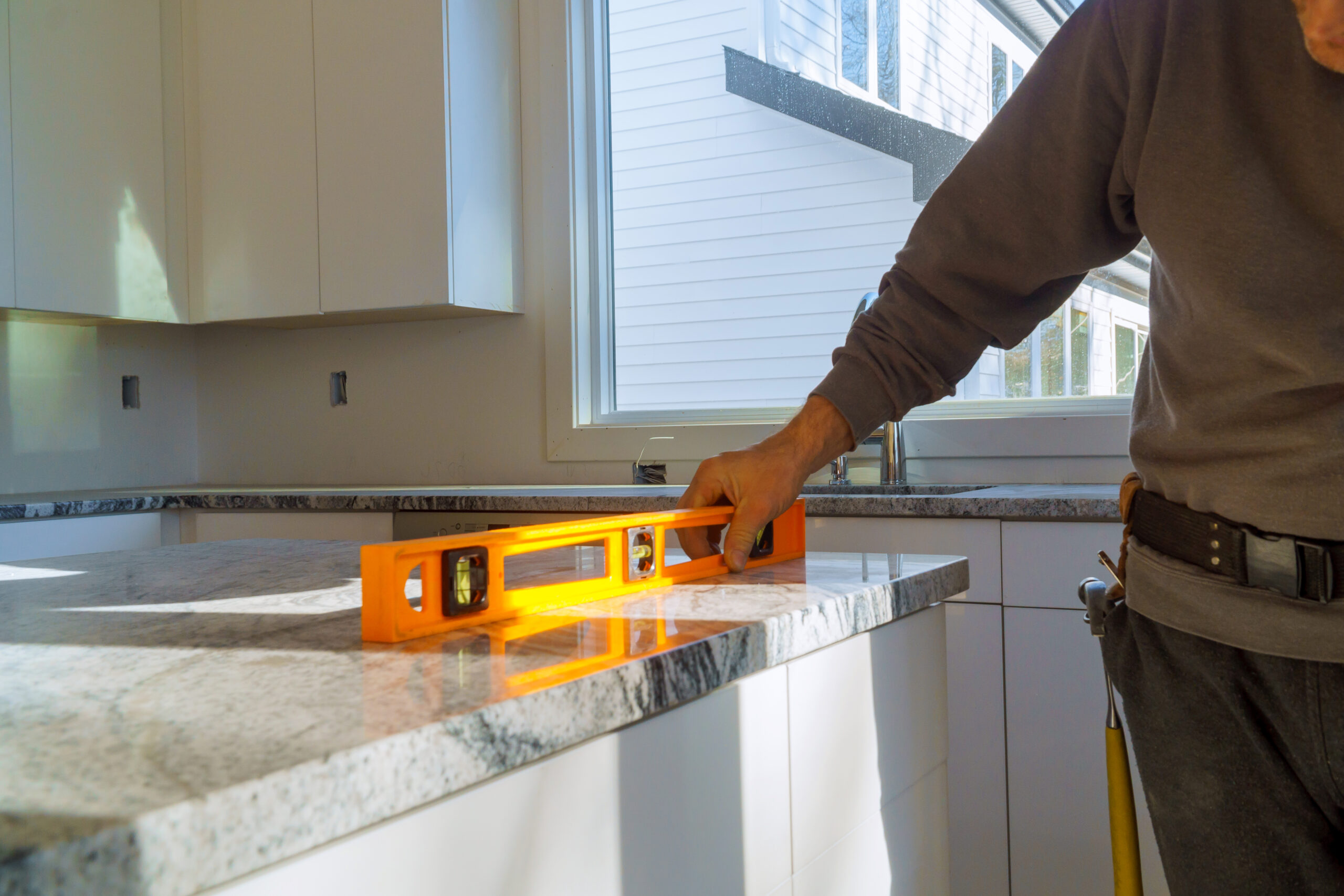
One of the often-overlooked aspects of granite thickness is how it affects the cabinetry beneath it. While most kitchen cabinets can easily support either thickness, older cabinetry or furniture-style pieces may require reinforcement when supporting a heavier 3-centimeter slab.
For long spans or floating elements like breakfast bars and islands, thicker granite is typically easier to work with structurally. Thinner slabs may flex if not properly supported, so additional planning goes into those installations.
Bringing Style and Structure Together
Granite countertops bring beauty and performance to any space, but the slab thickness you choose can have long-term effects on your project. It influences the look of your edges, the feel of your layout, and the longevity of your investment. Whether you’re drawn to the solid presence of a thicker slab or the refined profile of a thinner one, working with experienced professionals ensures the right fit for your space.
At Alps Craftsman, we take the time to match every home with the right materials and specifications. If you’re ready to move forward with granite countertops, we’re here to help. Contact us for a free estimate today!