What Is a Waterfall Countertop? Pros, Cons, and When It Makes Sense for Your Kitchen
Kitchen renovations across Somerset, New Jersey and the surrounding NJ, NY, and PA region often center around one major design decision: the island. As open floor plans become more common, the island is no longer just a prep surface. It becomes a focal point that connects the kitchen with the rest of the home.
One design feature that continues to appear in modern remodels is the waterfall countertop. Many homeowners see it in showrooms or design photos but are not always sure what it is or whether it works in a real kitchen.
Understanding how this design functions can help you decide whether it belongs in your renovation.
What Is a Waterfall Countertop?
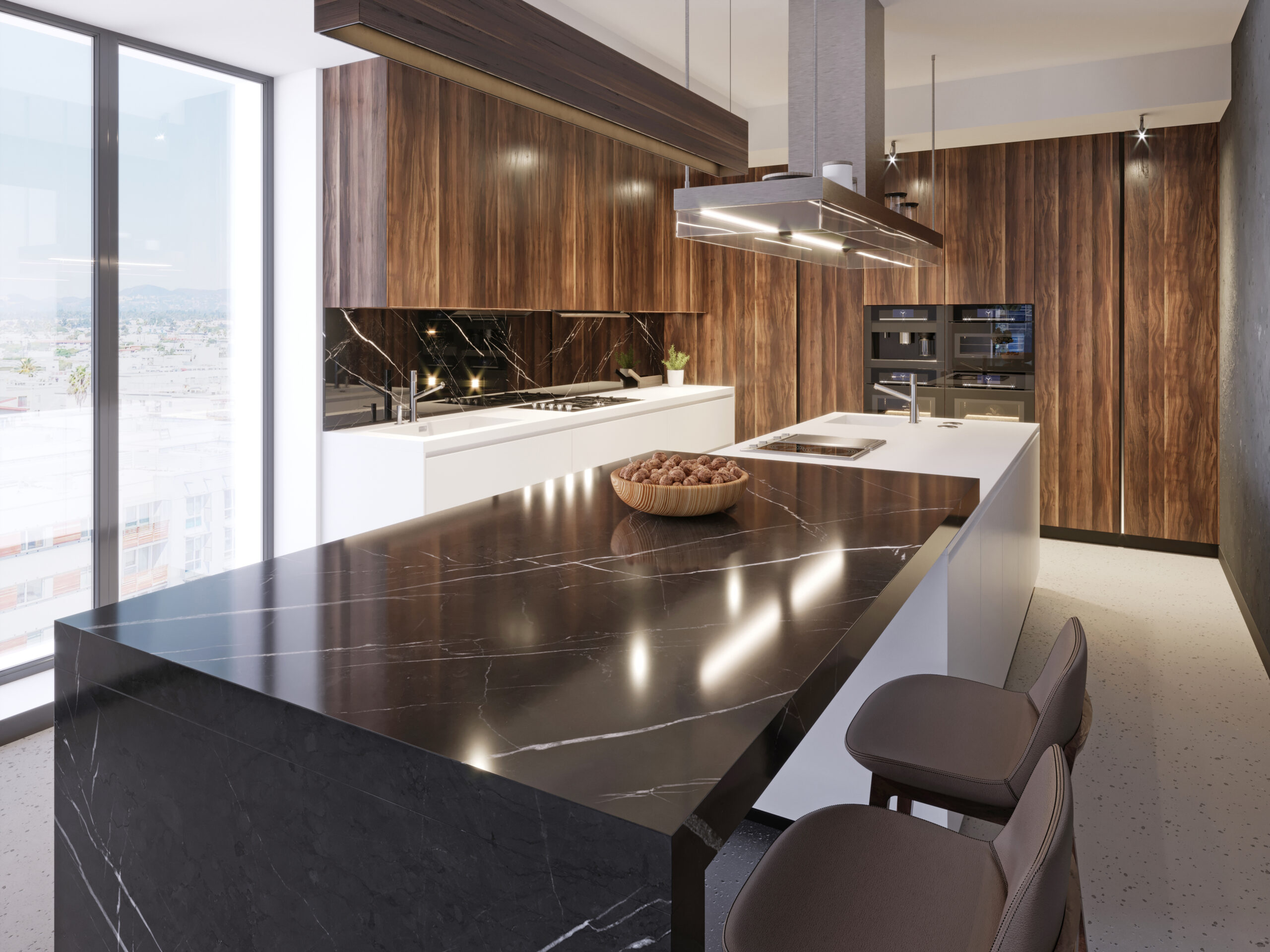
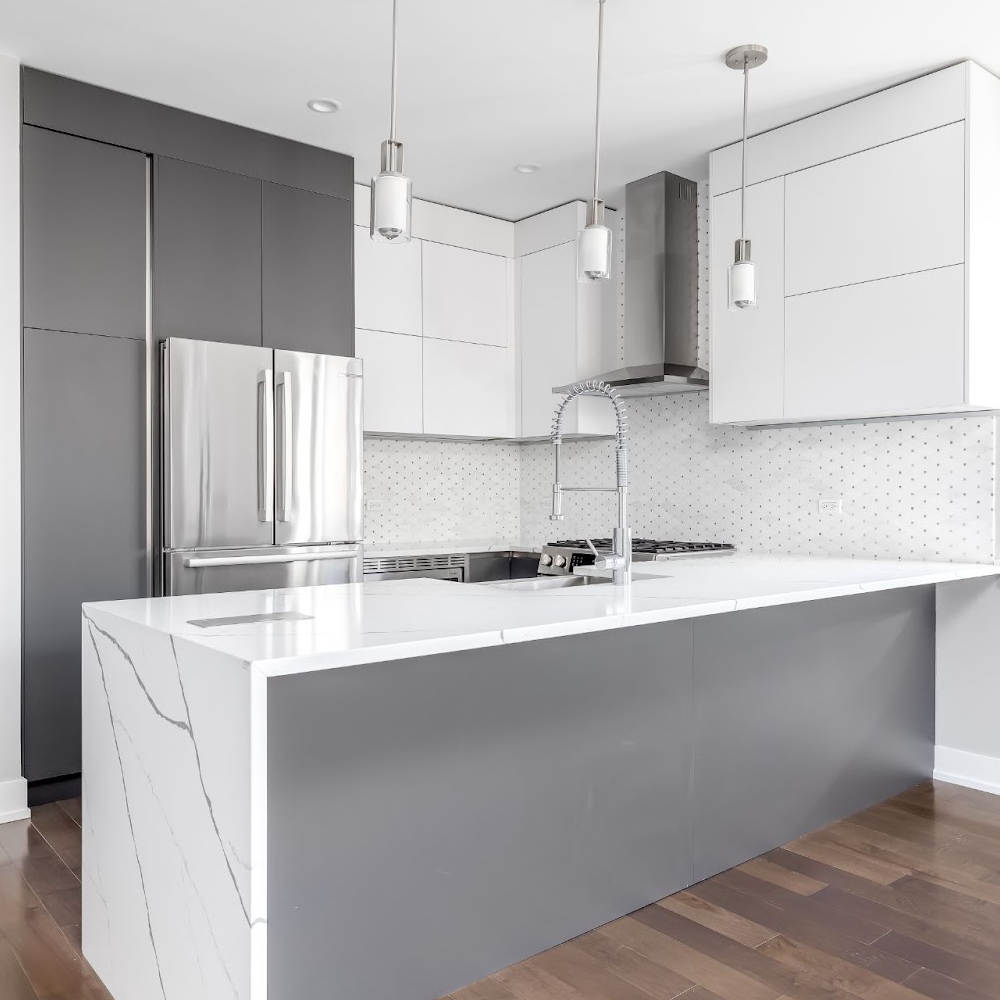
A waterfall countertop is created when the countertop material continues vertically down the side of the cabinetry or island until it reaches the floor. Instead of stopping at the edge of the cabinet box, the stone forms a vertical panel that creates a continuous surface.
This design highlights the material itself, especially when natural stone patterns or veining flow from the top surface down the side.
Waterfall edges are most often used on:
- Kitchen islands
- Peninsula countertops
- Bar seating areas
- Open-concept kitchens where the island faces living spaces
Because the material extends down the cabinet sides, it also protects areas that typically receive the most wear from chairs, foot traffic, and everyday use.
Why Many Homeowners Choose This Design
Waterfall countertops are often selected for their visual impact, but they also offer practical advantages.
They highlight the material.
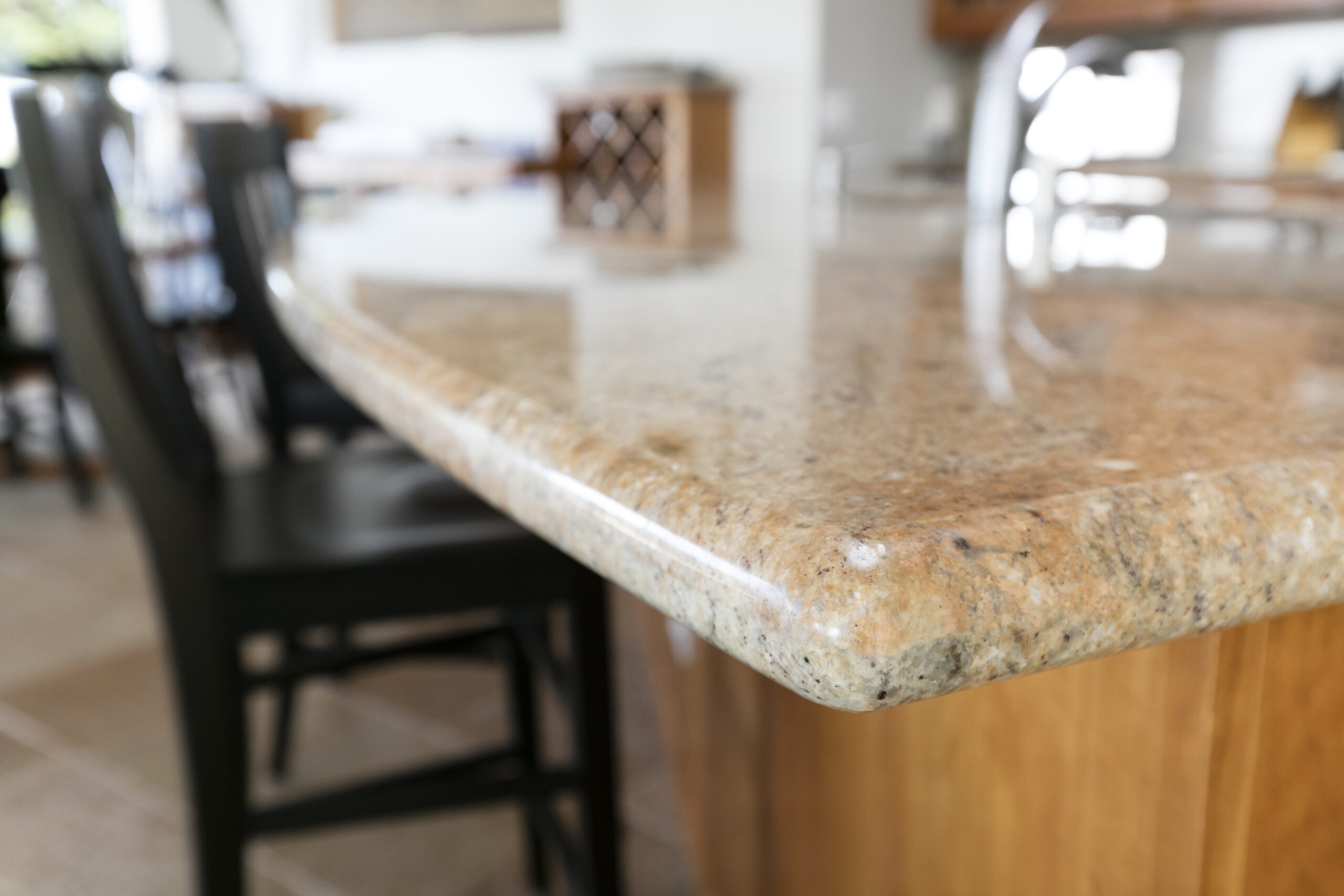
Natural stone countertops such as granite or marble feature patterns that are unique to each slab. Carrying the stone down the side of the island allows those natural characteristics to become part of the design rather than just the surface. Granite, for example, is a natural igneous stone made up of minerals like quartz, feldspar, and mica, and each slab has a one of a kind pattern.
They protect cabinet edges.
In busy kitchens, cabinet corners can get damaged from stools or foot traffic. A vertical stone panel shields those areas.
They create a finished look from all sides.
In open floor plans common throughout New Jersey suburbs, islands are often visible from dining rooms and family rooms. A waterfall edge helps the island look complete from every angle.
Pro Tip:
When reviewing slabs, ask the fabricator how the pattern will align between the top surface and the vertical panel. Skilled fabrication ensures the veining appears continuous rather than disconnected.
What Is a Waterfall Countertop?
If you are researching what is a waterfall countertop, the best way to understand it is by reviewing real projects and discussing layout options with a fabricator. The team at Alps Craftsman works with homeowners across New Jersey, New York, and Pennsylvania to design islands that balance aesthetics with everyday functionality. Get a Free Quote
Potential Drawbacks to Consider
While waterfall countertops can transform a kitchen visually, they are not always the right choice for every layout.
They require additional slab material.
Because the design includes a full vertical panel, more material is required compared to a standard countertop edge.
Seam placement becomes more important.
Waterfall edges require careful fabrication so seams align cleanly with the stone pattern.
They may reduce seating space.
Some islands prioritize extended seating or legroom. A waterfall panel can limit how far seating can wrap around the island.
Working with an experienced fabricator is important because the vertical panel must be cut, aligned, and installed with precision.
Materials That Work Well for Waterfall Edges
Several countertop materials can be used to create waterfall edges. The best choice depends on the overall kitchen design and how the space is used.
Granite
Granite remains a popular option because it is highly durable and heat resistant. It is one of the hardest natural stone surfaces used for countertops and holds up well in kitchens that see frequent cooking.
Quartz
Quartz countertops are engineered using ground quartz combined with resins and pigments. The manufacturing process creates a nonporous surface that resists stains and bacteria, making it a practical choice for many kitchens.
Marble
Marble offers a softer, classic appearance that many designers prefer for statement islands.
Pro Tip:
If the slab has bold veining, ask the fabricator about “bookmatching” or aligning the pattern across the corner. This technique can create a dramatic visual effect on waterfall installations.
When a Waterfall Countertop Makes the Most Sense
This design tends to work best when the island is meant to stand out visually.
A waterfall countertop is often a strong choice when:
- The island faces a living or dining area
- The kitchen has a clean, modern design
- The slab pattern is visually striking
- The goal is to highlight the stone rather than cabinetry details
In smaller kitchens or layouts focused heavily on seating, a traditional countertop edge may provide more flexibility.
Plan Your Kitchen Renovation With Experienced Craftsmen
A waterfall countertop may look simple in photos, but achieving the right result requires careful slab selection, precise fabrication, and professional installation. Misaligned seams or poor measurements can quickly ruin the visual effect.
Alps Craftsman works with homeowners, designers, and builders throughout Somerset, New Jersey and nearby areas of New York and Pennsylvania to fabricate and install custom stone countertops that are designed for real kitchens.
Start Your Kitchen Project With Alps Craftsman
If you are planning a kitchen renovation and considering a waterfall countertop, the team at Alps Craftsman can guide you through the process from slab selection to fabrication and installation.
Contact Alps Craftsman today to discuss your project, explore stone options, and create a kitchen island that becomes the centerpiece of your home.